When Abuse Happens to the Elderly
Posted January 2nd, 2014 by Anthony Carbone, PC.
Categories: Personal Injury.
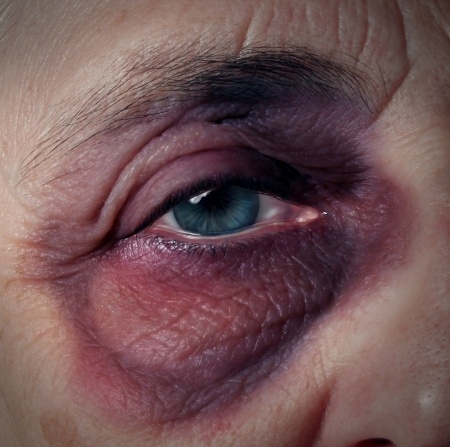
When we think of abuse, we generally think of children or spousal abuse. But it can happen to the elderly, especially those in nursing homes. With 13 percent of the population over 65, elder abuse is becoming more and more frequent. According to the National Center for Elder Abuse, as of 2003, it was estimated that between 1 and 2 million Americans age 65 or older had been injured, exploited or mistreated by a caregiver. Although the NCEA says it’s unknown how often abuse or neglect happens to this population but the older a person is, the more likely they are abused. And how certain can you be if your loved one is being abused? Is that bruise on the arm because they bumped into a wall or because someone grabbed them?
New Jersey has hundreds of licensed nursing homes and long-term care facilities. Many provide good care. But the scale of the industry means problems are inevitable, and elder abuse remains significantly underreported. Older adults who depend entirely on their caregivers for daily needs — bathing, meals, medication, mobility — are in a position of profound vulnerability. They may not report abuse because they fear retaliation. They may not fully understand what is happening to them. Or they may lack the cognitive capacity to communicate what they have experienced. Family members are often the first ones to notice something is wrong, and that recognition can happen gradually, not all at once.
Understanding what you are looking for matters enormously. The signs are not always obvious.
Recognizing the Signs of Elder Abuse
To help you figure out the signs of abuse or neglect, here are some signs you should be on the lookout for:
- Fear or discomfort when nursing home staff are present
- Unusual behavior
- Becoming withdrawn
- Any cuts, bruises, or injuries
- Dehydration or malnourishment
- Being overly or under medicated
- Poor hygiene
- Unsanitary living conditions
Each of these deserves more than a passing mention. Fear or discomfort around staff is not something most elderly residents fabricate. When a person who was once calm and comfortable becomes visibly tense or distressed in the presence of a particular aide or nurse, pay attention. Ask who that person is. Ask to speak with the facility’s administration about your observations. Document the date, the time, and what you witnessed.
Unusual behavior and withdrawal are harder to interpret because they can have medical explanations. Depression, dementia, and the side effects of medication can all cause behavioral changes. But when these changes appear suddenly, or when they correlate with a change in roommate, caregiver, or room assignment, they deserve a closer look. The difference between a medical explanation and an abuse-related one often comes down to timing and pattern.
Physical signs like cuts and bruises need context. Elderly skin bruises more easily than younger skin, and falls do happen. What raises concern is unexplained bruising, bruising in locations inconsistent with a fall, or repeated injuries without satisfactory explanations from staff. If you are told your loved one fell but cannot get a clear account of when, where, or how, press for more information. You are entitled to it.
Dehydration and malnourishment can develop over weeks or months in understaffed facilities where residents are not given adequate time or assistance at meals, and where hydration is not properly monitored. If your loved one has lost significant weight or appears persistently confused or thirsty, request a review of their nutritional records and speak directly with the attending physician, not just the floor staff.
Medication issues are among the most common forms of nursing home neglect in New Jersey. Over-sedation is sometimes used to manage agitated or difficult residents, reducing the burden on understaffed floors. Under-medication, on the other hand, can leave residents in chronic pain or allow underlying conditions to worsen without intervention. Either way, you have the right to review your loved one’s medication administration records and to ask specific questions about any changes to their prescription regimen.
The Different Forms Elder Abuse Can Take
And remember, always listen to your loved one. Abuse does not necessarily have to be physical. Sometimes it can be emotional as well.
Physical abuse gets the most attention because it leaves visible evidence. But emotional and psychological abuse can be just as damaging. Verbal humiliation, threats, isolation from family and friends, being ignored or treated as invisible — these experiences erode a person’s dignity and sense of safety in ways that do not show up on an X-ray. An elderly resident who tells you that staff yells at them, mocks them, or refuses to respond when they call for help is telling you something that matters both legally and practically.
Financial abuse is also common and frequently overlooked. It can take the form of staff stealing personal items, manipulating residents into signing documents or changing estate plans, unauthorized use of debit or credit accounts, or pressure to provide gifts. If you notice unexplained withdrawals from your loved one’s accounts, missing jewelry or valuables, or documents they cannot clearly explain, those are warning signs worth investigating promptly.
Sexual abuse in nursing homes does occur, and it is reported less often than any other form of elder abuse. Residents with dementia or cognitive impairment are particularly vulnerable because they may struggle to communicate what has happened or may not understand it themselves. Unexplained injuries, sudden fear of being touched or undressed, or behavioral changes following a specific incident should prompt an immediate conversation with a physician and, where warranted, with law enforcement.
Neglect, even when not intentional, still carries legal consequences. A facility has a legal duty to provide adequate care. When understaffing, poor training, or indifferent management allows a resident to develop serious pressure ulcers, fall repeatedly without any preventive intervention, or go days without proper hygiene, the facility can be held accountable under New Jersey law. Intent is not the threshold. The failure itself is what matters.
What New Jersey Law Says About Nursing Home Residents’ Rights
New Jersey has specific protections for nursing home residents under the New Jersey Nursing Home Responsibilities and Residents’ Rights Act. This law gives residents the right to be treated with dignity, to be free from physical and chemical restraints used for convenience rather than medical necessity, to receive adequate and appropriate care, and to have their personal property protected. These are not aspirational standards. They carry legal weight and form the foundation for civil claims when facilities fall short.
Nursing homes operating in New Jersey are licensed and regulated by the New Jersey Department of Health. The Department conducts inspections and maintains records of violations, complaints, and citations. When a facility accumulates repeated deficiency citations for the same issues, that history is significant in a legal claim. It establishes a pattern and can help demonstrate that the facility was aware of the problem and failed to correct it despite having the opportunity and obligation to do so.
When abuse or neglect results in injury, the legal theory most commonly applied is negligence. The nursing home had a duty to protect your loved one. It breached that duty through an act of abuse or a failure to provide adequate care. That breach caused harm. And your loved one suffered damages as a result. Those damages can include medical expenses, pain and suffering, and in cases involving particularly reckless or willful conduct, punitive damages meant to address the facility’s behavior directly.
New Jersey also allows family members to pursue wrongful death claims when nursing home abuse or neglect contributes to a resident’s death. The statute of limitations is something to take seriously. In most personal injury cases in New Jersey, you have two years from the date of the injury to file a claim. In wrongful death cases, you generally have two years from the date of death. Waiting too long can permanently bar recovery, regardless of how strong the underlying case might be.
What to Do If You Suspect Abuse
For more information on elder abuse, click here. If you feel like your loved one is being abused, contact us immediately. We will help prevent this from happening again.
Acting quickly matters for several reasons. Evidence disappears. Staff memories fade or, in some cases, are deliberately shaped by facility management before any investigation begins. Medical records can be selectively documented. Photographs of injuries, contemporaneous notes of conversations with staff, and records of your visits and observations all become important pieces of a potential claim. Start documenting the moment something feels wrong. Do not wait for certainty before you begin keeping records.
If you suspect abuse, avoid confronting facility staff aggressively before speaking with an attorney. Your reaction can affect how the facility responds and may inadvertently give them time to prepare a defense. You can and should ask calm, specific questions and document everything. But consult with legal counsel before making formal accusations or signing anything the facility presents to you.
You can also file a complaint with the New Jersey Department of Health’s Division of Health Facility Survey and Field Operations. The Long-Term Care Ombudsman program exists specifically to investigate complaints about nursing home care and can serve as an independent advocate for your loved one. These are important avenues. They are separate from, not a substitute for, a legal claim.
Working with a New Jersey Personal Injury Attorney who handles elder abuse and nursing home negligence cases means having someone who can move quickly to gather and preserve evidence, retain the right medical and care-standard experts, and deal directly with the facility and its insurance carriers. Nursing home operators almost always have legal representation on standby. You should too.
The harm done to a person you trust and love deserves to be taken seriously. Age does not diminish a person’s right to safety, dignity, or legal recourse. When that right is violated, there are real and enforceable tools under New Jersey law available to address it.