
If you live anywhere in the tri-state area, you know by now that a huge blizzard is on its way to our area. The Law Offices of Anthony Carbone wishes that everyone stays safe for the next couple of days. Please check on your loved ones and make sure your pets are indoors.
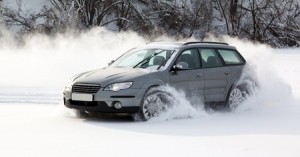
Although it is inadvisable to drive in a blizzard, sometimes we have no choice, especially if your job is essential. So keep these tips in mind if you have to go out in the next 24 hours:
- Pack an emergency kit in case you are stuck on the road. Make sure you have water, food, blankets, coats, first aid supplies.
- Keep your gas tank at least half full. It will help weigh down your car, giving it more traction on the snow.
- Remember to clear all the ice and snow off your car before driving. Not only will you not have snow flying off your vehicle while driving, but it’s a law in New Jersey.
- Put on your headlights so other cars will see you when you are approaching.
- Use common sense while driving. Even SUVs or cars with four-wheel drive can slide in the snow.
- Keep a safe distance from other cars and stay a safe yet steady speed. No tailgating and make sure there’s enough room between you and the driver ahead of you in case he/she has to stop suddenly.
- Instead of trying to power up a hill, apply light pressure to the gas. The more pressure you use, the better the chance your car will slide.
- If your car starts to skid, remember to steer into the skid and ease up on the gas.
Why Winter Driving Accidents Are Different
A car accident in a blizzard is not simply a regular accident with snow on the ground. The legal analysis changes when the weather is severe. The duty of care every driver owes to others on the road adjusts to conditions. Driving forty-five miles per hour on a clear day on the Garden State Parkway may be lawful and reasonable. The same speed in a whiteout is negligent regardless of what the posted limit says. New Jersey courts have long held that a driver who fails to adjust speed, following distance, and braking for known conditions can be held liable for the resulting collision even when no traffic statute was technically violated. The reasonable person standard is flexible, and it expects more caution when the weather demands it.
That principle works both ways. A driver who carefully reduces speed, maintains distance, and still loses control on a patch of black ice may have a stronger defense than one who keeps moving at posted limits as if nothing is happening. Documenting your own driving behavior matters as much as documenting the other driver’s.
New Jersey’s Snow Removal Law
The bullet above about clearing snow and ice from your vehicle is not just a courtesy. It is the law. Under N.J.S.A. 39:4-77.1, drivers in this state are required to make all reasonable efforts to remove accumulated snow and ice from any vehicle before driving it. Failure to do so carries fines that can reach several hundred dollars even when no one is hurt. When ice or snow flies off a moving vehicle and damages another car or injures another person, the fines escalate significantly, and the driver who failed to clear the vehicle can be civilly liable for the harm caused.
This statute matters for two reasons. The obvious one is that a sheet of ice flying off the roof of a tractor trailer can cause catastrophic injuries to drivers behind it. The less obvious reason is that a poorly cleared windshield, side window, or mirror means a driver cannot see properly, and any accident that follows is partly attributable to that visibility failure. Take the extra ten minutes with a brush and scraper before pulling out of your driveway. The time you save is not worth the legal exposure.
What to Do Immediately After a Crash in a Storm
When a collision happens in a blizzard, the priorities shift slightly from a normal accident. The first priority is still to check on yourself and any passengers for injuries and to call 911. After that, getting out of the travel lane matters more than usual. Visibility is poor. Other vehicles approaching the scene may not see you in time. If your car is drivable and it is safe to do so, move to the shoulder or a nearby parking lot. If it is not drivable, turn on hazard lights, get yourself and any passengers to a safe location away from oncoming traffic, and wait for help.
Document the scene before the snow buries the evidence. Photograph the position of the vehicles, the road conditions, any tire tracks in the snow, the visibility in each direction, and the damage to both vehicles. A blizzard erases physical evidence quickly. A statement from another driver about who was at fault may be the only proof you have within hours. Get the names and contact information of any witnesses. Ask the responding officer for the report number so you can request a copy later.
Seek medical attention even if you feel fine at the scene. Adrenaline, cold, and shock all mask pain in the first hours after a crash. Soft tissue injuries, mild traumatic brain injury, and back or neck damage often do not announce themselves until the next morning or several days later. Going to the emergency room or an urgent care facility creates a contemporaneous medical record tied to the date of the accident, which protects any later claim.
How Insurance Companies Approach Weather-Related Claims
Carriers love a snowy day. The weather gives them an argument they can use against almost every claim. Adjusters will frame the accident as unavoidable, as an “act of God,” as something no driver could have prevented. The argument is often wrong, but it is the opening position from which they negotiate. The deeper truth is that severe weather does not eliminate fault. It changes the standard. A driver who fails to clear the vehicle properly, who follows too closely for conditions, who is on a cell phone when visibility is near zero, or who fails to maintain working windshield wipers and headlights is at fault regardless of how heavy the snow was falling.
A New Jersey Auto Accident Attorney handles these arguments routinely. The response is built on facts. What were the conditions five minutes before the crash? Were both drivers operating with the same level of caution? Did the at-fault driver have functioning equipment? Was there anything in the at-fault driver’s conduct that violated the duty owed to other drivers given the weather? When the analysis is presented properly, the act of God defense collapses.
Comparative Negligence in a Snowstorm
New Jersey uses a modified comparative negligence rule. A plaintiff can recover damages as long as the plaintiff is not more than 50 percent responsible for the accident. The recovery is reduced by the plaintiff’s percentage of fault. A driver who was found to be 30 percent at fault for hitting his brakes too hard on an icy patch may still recover 70 percent of his damages from the driver who rear-ended him.
This rule plays a particularly important role in winter cases because both drivers will often have done something that contributed to the collision. The question is not whether a driver did everything perfectly. The question is who bears the larger share of responsibility. Insurance carriers know this, which is why they push hard on any small fact that allows them to assign fault to the injured driver. A claim that you “should have” been going slower, “should have” left earlier, or “should have” pulled over sooner is meant to push your percentage up and your recovery down.
Common Winter Crash Injuries
Slower speeds in heavy snow can produce the impression that a winter accident is minor. The physics tell a different story. A vehicle sliding into another at twenty miles per hour with no braking traction produces forces similar to a forty mile per hour collision on dry pavement. The body absorbs that energy in unpredictable ways. Cervical and lumbar disc injuries, shoulder impingements and rotator cuff tears, knee ligament damage from bracing against the floorboard, wrist and hand injuries from gripping the wheel, concussions, and broken ribs all show up after winter wrecks. Few of these injuries appear on an x-ray. Most require an MRI or specialist examination to diagnose.
Pedestrians struck by sliding vehicles often sustain more severe injuries than drivers. Tibia and femur fractures, hip injuries, and head trauma from striking the pavement are particularly common when a pedestrian is hit by a vehicle that has lost traction. Children and elderly pedestrians are at the highest risk because they have less ability to react quickly to a car coming through a stop sign or losing control on a hill.
Preparing Your Vehicle Before the First Snowfall
Some of the worst winter crashes are caused by problems that could have been fixed in a service appointment before the storm. Tires with worn tread cannot grip cold pavement, regardless of how the rest of the car is equipped. Wiper blades that streak are useless in heavy snow. A battery that struggled to start the car in October will fail in January. Headlights that are dim or fogged over reduce visibility for you and for every driver behind you. Schedule a winter service before the temperatures drop. Check tire pressure weekly through the cold months because cold air reduces pressure even in good tires.
If you have older tires nearing the end of their tread life, consider replacing them before the worst of the season rather than after a near miss. Snow tires or all-weather tires rated for severe winter conditions perform substantially better than standard all-season tires on snow and ice.
Questions Drivers Ask After a Winter Accident
Does my PIP cover a winter accident?
Yes. Personal Injury Protection coverage in New Jersey pays for medical bills regardless of fault and regardless of weather conditions. PIP also pays a portion of lost wages and certain other expenses up to the limits on your policy. Most policies in this state provide $250,000 in PIP by default. The carrier cannot refuse PIP coverage simply because the accident occurred in a snowstorm.
What if I slid into someone because of black ice I could not see?
You may still be partly or fully responsible. Drivers in New Jersey are expected to adjust to conditions, including conditions they cannot see. The “I didn’t see the ice” defense rarely succeeds. The question is whether you were driving at a speed and distance appropriate for conditions where black ice is a known risk.
Can I sue if a city or town failed to plow the road?
Public entity claims are governed by the New Jersey Tort Claims Act, which has short notice deadlines and significant immunity protections. A notice of claim usually must be filed within ninety days of the accident, and the legal standard for holding a municipality liable for snow removal failures is high. Pursuing this kind of claim requires an attorney experienced with the Tort Claims Act.
What if the other driver’s car wasn’t cleared off and ice flew off and caused my crash?
That is a direct violation of N.J.S.A. 39:4-77.1 and a strong basis for liability. Document everything you can about the source of the ice or snow, the position of the vehicles, and any damage to your car. Get the other driver’s license plate, registration, and insurance information at the scene if possible.
And don’t forget, if you get into a car accident while in a blizzard, you’re going to need help with the insurance company. Contact the Law Offices of Anthony Carbone for a free consultation. Stay safe, New Jersey.